





Home > Respiratory & Sinus Infection Treatment Supplies > Respiratory Supplies

Respiratory Supplies


Respiratory Supplies


There are many needs for respiratory supplies both for inpatients and out patients. Home treatment of chronic breathing conditions require the use of specialized respiratory equipment such as inhalers, nebulizers, and CPAP machines. Patients in the hospital often require breathing treatments, anesthesia, or supplemental oxygen. Having the right respiratory supplies on hand will ensure that the patient is able to breathe easier, and have the fullest quality of life possible.

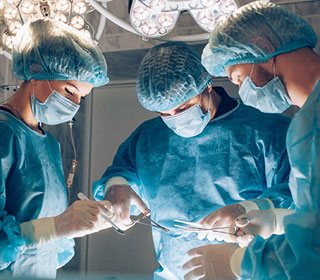
Patients admitted to the hospital for a surgical procedure requiring the use of an inhaled anesthesia will need the close oversight of an anesthetist to receive the correct amount of sedation and oxygen. The anesthetist will require respiratory supplies to replace those which are disposable or have been worn from his anesthesia equipment. These include anesthesia face masksconnectors , and vaporizers. Patients under sedation are also receiving supplemental oxygen, and this necessitates the hospital having enough oxygen supplies on hand to replace worn tubing, cylinders, and disposable nasal cannulas.

Most respiratory supplies for in hospital use are disposable, but many of them are not, and they will require cleaning and sterilization between uses. The procedures for this differ depending upon the material from which the supplies are crafted. Plastic, rubber, and neoprene, such as found in many anesthesia face masks, should be washed with mild soap and air dried. These parts, though, also need to be sterilized between patients as well. Autoclaving is a common method of sterilization, but the high heat of the steam will melt or warp plastic respiratory supplies and should not be used. Ethylene oxide gas is a safer option for plastics. It is also the preferred method of sterilizing latex and neoprene since extended exposure to the heat of autoclaving can shorten the life of these parts by wearing away at the material. If autoclaving is used for latex and neoprene, all connectors must be taken off prior to sterilization. These could conduct heat which might lead to cracks and leaks in the juncture point. Latex and neoprene should not be sterilized for longer than fifteen minutes at 250F degrees.

Autoclaving is not feasible for in home respiratory supplies. The cleaning method for home inhalers, nebulizers, and CPAP machines is very much the same. After each use, the reservoir or cup should be rinsed out and air dried. At the end of each day, this piece in addition to the mouthpiece and or face masks needs to be washed in warm, soapy water and allowed to air dry.  Regular disinfecting of the parts of the home unit should be done two to three each week. This can be done either with a commercial disinfectant created for respiratory equipment or a mixture of half water and half vinegar. During each cleaning, all the parts should be checked for leaks or cracks so that replacement respiratory supplies can be gotten before harm comes to the patient.

If you did not find the respiratory supplies you are looking for, please post a question to our expert or contact us toll free at 1-877-706-4480, and we will find what you are looking for at the best possible price.


Home > Respiratory & Sinus Infection Treatment Supplies > Respiratory Supplies

back to top